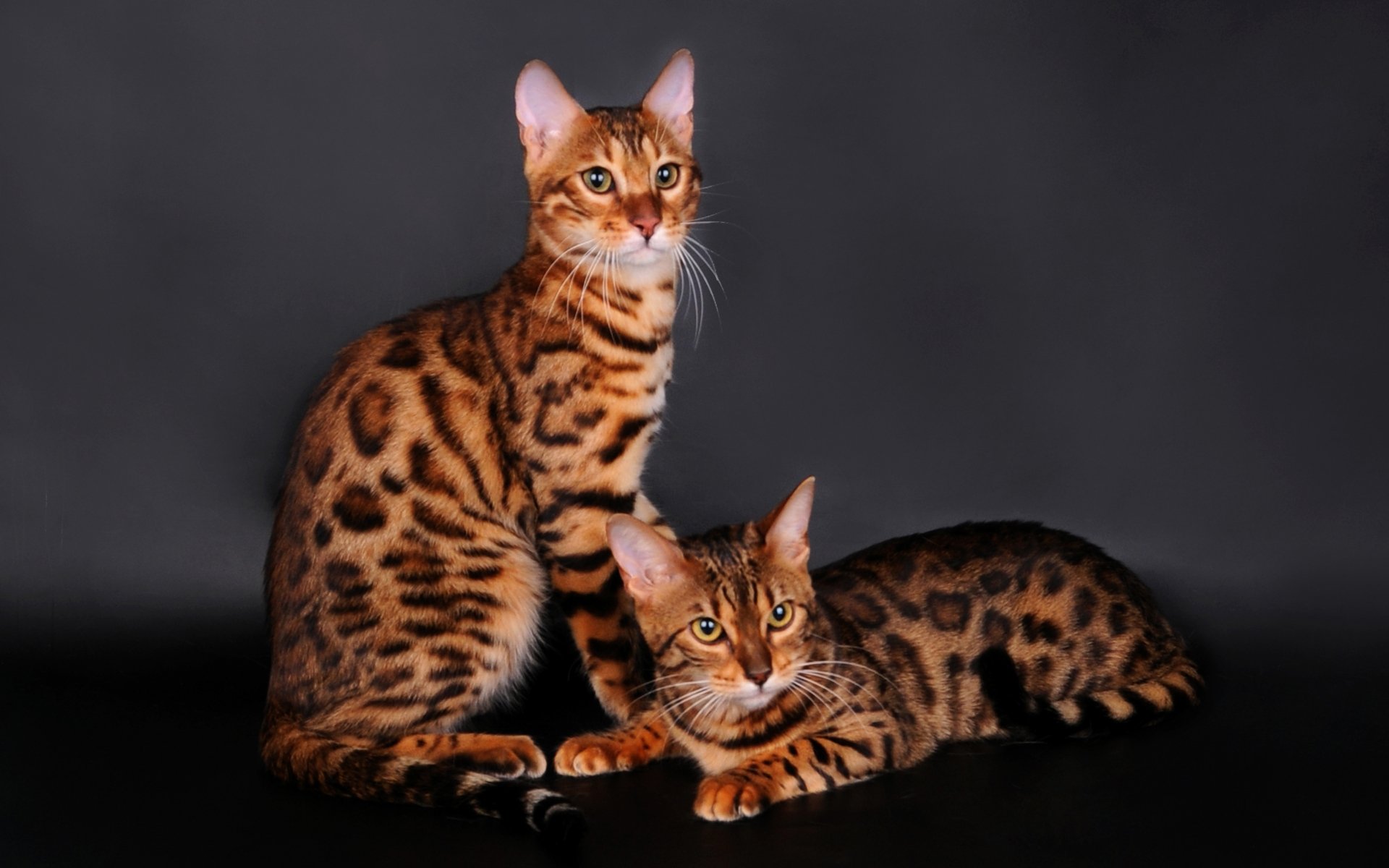
Few cat breeds turn heads the way a Bengal does. That leopard style coat, the athletic build, the dog like personality: it is a lot of cat for one household. But before you start scrolling listings for a Bengal kitten for sale, you need three things straight: what you will actually pay, whether your state allows it, and what health issues run in the breed. This guide covers all three with a clear head, no fluff.
Quick facts people search for most (key takeaways):
- Price swings hard based on generation and coat quality. A pet quality Bengal from a reputable breeder generally runs $1,500 to $3,000, while early generation cats (F1 and F2), closer to the wild Asian Leopard Cat, can climb to $5,000 and beyond $10,000 for rare colors like snow, silver, or charcoal.
- Bengal ownership is not legal everywhere. Hawaii bans the breed at every generation, New York City prohibits Bengals outright as exotic animals, and Seattle enforces its own local ban, so checking city and state rules matters as much as checking the breeder.
- Bengals carry real, documented health risks. Reputable breeders screen for hypertrophic cardiomyopathy (HCM), progressive retinal atrophy (PRA-b), and pyruvate kinase deficiency (PK Def), three conditions that show up consistently across veterinary sources covering the breed.
Bengal Cat Summary Table
| Category | Details |
|---|---|
| Origin | Cross between the Asian Leopard Cat (Prionailurus bengalensis) and a domestic cat |
| Pet quality price | $1,500 to $3,000 |
| Show quality or rare color price | $3,500 to $10,000+ |
| Early generation (F1, F2) price | $5,000 to $20,000+ |
| Lifespan | 12 to 16 years |
| Key health risks | HCM, PRA-b, PK deficiency |
| Banned or restricted in | Hawaii, New York City, Seattle, Connecticut, and other cities and states with generation based rules |
What Is a Bengal Cat?
The Bengal cat is a hybrid breed developed by crossing the Asian Leopard Cat, a small wild feline native to South and Southeast Asia, with domestic cats. The International Cat Association granted the breed championship status in 1991. What owners get is a cat with a leopard style coat marked by rosettes, marbling, or spotting, an athletic frame, and a personality that leans closer to a dog than a typical house cat: high energy, highly food motivated, and often more interested in following you room to room than curling up on a shelf.
Bengal cats are classified by generation, starting with F1 (the direct offspring of an Asian Leopard Cat and a domestic cat) and moving through F2, F3, F4, and eventually SBT (Stud Book Tradition), which means the cat is at least four generations removed from its wild ancestor and recognized as fully domestic by cat registries.
Bengal Cat Price: What You Will Actually Pay
A pet quality Bengal kitten from a reputable, TICA registered breeder typically costs $1,500 to $3,000 in 2026. Show quality kittens, along with rarer colors such as snow, silver, or charcoal, commonly run $3,500 to $10,000 or more. Early generation Bengals (F1 and F2), which carry a much higher percentage of Asian Leopard Cat ancestry, can sell for $5,000 to $20,000, reflecting the difficulty and cost of breeding that close to a wild species.
Coat quality has a direct impact on Bengal cat price: clear, high contrast rosettes and heavy glitter push the price up, while muted or low contrast patterns bring it down. Bloodline also matters, since kittens from TICA champion parents or grandparents can add several hundred to a couple thousand dollars to the final price. If you see a Bengal kitten listed under $800, treat it as a warning sign: it usually means skipped health testing, no TICA paperwork, or a cat that is not actually a purebred Bengal.
Beyond the purchase price, plan for ongoing costs. Bengals are active cats that go through toys, scratching posts, and climbing structures faster than most breeds, and annual expenses for food, litter, and routine veterinary care typically add up over the cat's lifetime, so budget well past the initial adoption fee.
Is a Bengal Cat Legal in Your State?
Bengal cat legality depends on generation and location, and it is one of the most practical questions a buyer can ask before signing anything. Hawaii bans Bengal cats of every generation under its plant and animal quarantine law, largely over concerns about the impact of hybrid cats on native wildlife. Connecticut also maintains a full ban regardless of generation.
Several other states allow Bengals but only past a certain generation. New York State permits Bengals that are five or more generations removed from the Asian Leopard Cat and registered with a recognized association, yet New York City bans all Bengal cats outright as exotic animals, no matter the generation. Iowa requires the cat to be fourth generation or later, Massachusetts requires registration proving at least three generations of domestic breeding, and Indiana restricts F1 through F4 generations specifically. Seattle enforces its own citywide ban on hybrid cats, and Denver restricts early generation Bengals as well.
The practical takeaway: an SBT or F5 and later Bengal is legal in the overwhelming majority of the United States, which is why most reputable breeders sell pet quality kittens at this generation. Always confirm current rules with your state wildlife or agriculture department and your local city or county animal control office before buying, since local ordinances can be stricter than state law.
Bengal Cat Health: What Every Owner Should Know
Bengal cats generally live 12 to 16 years, but the breed is linked to three specific hereditary conditions that responsible breeders test for. Hypertrophic cardiomyopathy (HCM) is a heart condition that can be screened through cardiac ultrasound. Progressive retinal atrophy, Bengal type (PRA-b), is an inherited eye disease that gradually affects vision. Pyruvate kinase deficiency (PK Def) is a genetic blood disorder that can be identified through DNA testing.
When you are evaluating a breeder, ask directly for HCM, PRA-b, and PK Def results on both parents. A breeder who cannot or will not provide this documentation, along with TICA registration papers stating the kitten's generation, is a clear reason to keep looking elsewhere.
Bengal Cat Temperament and Daily Life
Bengals are intelligent, vocal, and require far more mental and physical stimulation than the average house cat. Many enjoy water, learn to open doors and cabinets, and thrive with climbing shelves, puzzle feeders, and daily interactive play. Some sources also describe Bengals as a reasonable option for allergy sensitive households, since their short, single layer coat sheds less dander carrying saliva than many other breeds, though no cat breed is fully hypoallergenic.
Because of their intelligence and energy, Bengals do not do well left alone for long stretches with nothing to do, and bored Bengals often turn to destructive behavior. This is a breed for owners who want an interactive companion, not a low maintenance lap cat.
Conclusion: Is a Bengal Cat Right for You?
A Bengal cat rewards an active, engaged owner with a strikingly beautiful, highly intelligent companion. But this is not an impulse buy. Confirm the generation, verify your state and city laws, request full health testing documentation, and expect a real financial commitment both upfront and over the cat's lifetime. For most first time Bengal owners, an SBT or F5 and later kitten from a TICA registered breeder offers the look of the breed with the fewest legal and behavioral surprises.
Frequently Asked Questions About the Bengal Cat Breed
How much does a Bengal cat cost in 2026?
A pet quality Bengal kitten from a reputable breeder typically costs $1,500 to $3,000. Show quality kittens and rare colors such as snow or silver Bengals often run $3,500 to $10,000 or more, and early generation Bengals (F1 or F2) can reach $5,000 to $20,000.
Is it legal to own a Bengal cat in my state?
It depends on your state and city. Hawaii and Connecticut ban Bengal cats at every generation, while states like New York, Massachusetts, and Iowa only allow later generations (F4 or F5 and beyond). New York City and Seattle ban Bengal cats entirely, regardless of state level rules, so always confirm local ordinances.
What is the difference between an F1 Bengal and an SBT Bengal?
An F1 Bengal is the direct offspring of an Asian Leopard Cat and a domestic cat, carrying the highest percentage of wild ancestry and the highest price. An SBT Bengal is at least four generations removed from that wild ancestor, fully domestic in temperament, and legal in far more locations.
Why are Bengal cats so expensive compared to other breeds?
Bengal cats are expensive because ethical breeding requires genetic testing for HCM, PRA-b, and PK deficiency, annual cardiac screening, TICA registration, and careful early socialization, all of which add real cost before a kitten is ever sold, on top of high demand for the breed.
What health problems are common in Bengal cats?
The three hereditary conditions most associated with the breed are hypertrophic cardiomyopathy (a heart condition), progressive retinal atrophy Bengal type (an inherited eye disease), and pyruvate kinase deficiency (a genetic blood disorder). Reputable breeders test breeding cats for all three.
Are Bengal cats good with families and other pets?
Bengals can do well in active households, but they need consistent play, climbing space, and mental stimulation. Early generation Bengals (F1 to F3) retain more wild instincts and stronger prey drive, so they are generally better suited to experienced owners rather than homes with very small pets.
Are Bengal cats hypoallergenic?
No cat breed is fully hypoallergenic, but Bengals are sometimes recommended to allergy sensitive owners because their short, single coat produces less saliva laden dander than many other breeds. Anyone with cat allergies should spend time with a Bengal before committing to ownership.
Where can I legally buy a Bengal cat for sale?
You can buy a Bengal cat for sale from a TICA registered breeder in nearly any state, provided the kitten is SBT or F5 and later generation. Ask for health testing results and registration paperwork, and confirm your local city and county rules before finalizing the purchase.
Data source:
catster.com
petful.com
petful.com
legalclarity.org
petful.com
pangovet.com


No comments:
Post a Comment