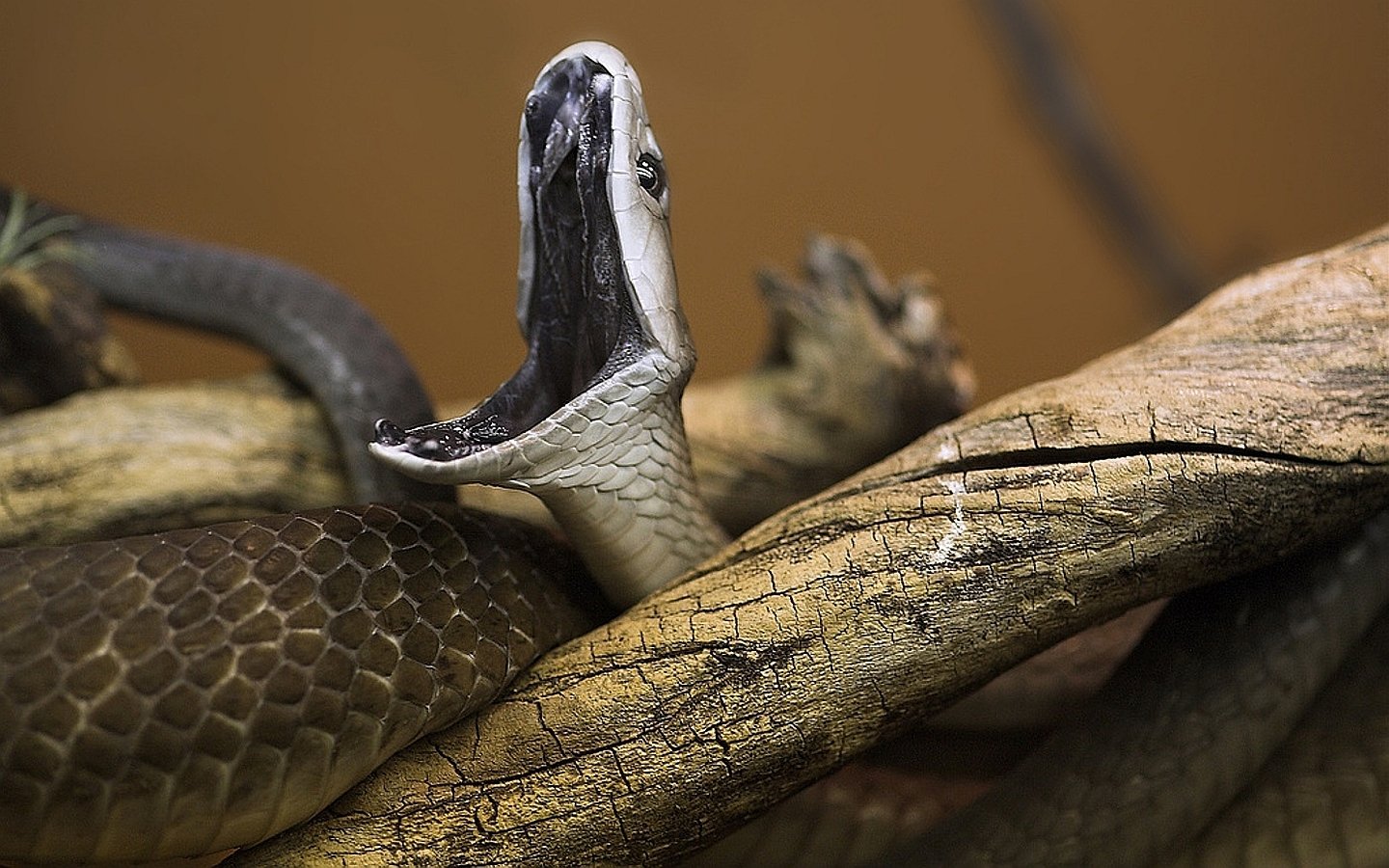
Key facts most searched about the black mamba:
- The black mamba is Africa's longest venomous snake and the fastest snake in the world, reaching speeds up to 12.5 miles per hour, with a maximum length near 14 feet.
- Without antivenom, the fatality rate from a full envenomation is close to 100 percent, since the venom combines fast acting neurotoxins with cardiotoxins that can stop the heart.
- Despite its fearsome reputation, the IUCN lists the black mamba as Least Concern, and the species remains widespread and abundant across sub-Saharan Africa.
Few animals carry a reputation as intense as the black mamba. It is routinely described as the deadliest snake in Africa, yet much of what circulates online about it is exaggerated or simply wrong. This guide separates documented biology from myth, covering the black mamba's true speed, its venom mechanism, survival odds after a bite, habitat, diet, and reproduction, based on information reported by herpetologists, toxinologists, and established wildlife institutions.
Quick Summary Table
| Category | Detail |
|---|---|
| Scientific name | Dendroaspis polylepis |
| Family | Elapidae |
| Average adult length | 8.2 feet (about 2.5 meters) |
| Maximum confirmed length | Approximately 14 feet (4.3 to 4.5 meters) |
| Average weight | Around 3.5 pounds (1.6 kg) |
| Top speed | Up to 12.5 mph (20 km/h) in short bursts |
| Venom type | Neurotoxic with cardiotoxic components |
| Venom yield per bite | 100 to 120 mg on average, up to 400 mg recorded |
| Lethal dose for a human | Approximately 10 to 15 mg |
| Untreated bite fatality rate | Near 100 percent |
| Diet | Small mammals and birds, occasionally other snakes |
| Range | Sub-Saharan Africa, from southern Ethiopia through eastern and southern Africa |
| Lifespan in the wild | Around 11 years |
| Conservation status | Least Concern (IUCN) |
What Is a Black Mamba? Naming and Classification
The black mamba, scientifically named Dendroaspis polylepis, belongs to the elapid family, the same group that includes cobras, coral snakes, and its mamba relatives. The genus name Dendroaspis comes from Greek and roughly translates to tree shield, a reference to the neck flap this snake spreads when threatened, similar in concept to a cobra's hood but narrower and less pronounced.
The word mamba itself is derived from the Zulu word imamba, used to describe several venomous snakes in this genus, including the green mambas found in coastal forest habitats. The black mamba is the only mostly ground dwelling species in the group, while its green mamba relatives are primarily arboreal.
Why Is It Called a Black Mamba If It Is Not Black?
This is one of the most searched questions about the species, and the answer surprises many people. The black mamba's skin color ranges from olive to gray to brownish, with a lighter underside, not black at all. The name instead refers to the deep, inky black coloring inside the snake's mouth, which it displays prominently as a warning by gaping its jaws wide open when it feels cornered or threatened. This black mouth lining, paired with a raised head and a spread neck flap, forms the core of its unmistakable defensive posture.
How Big and How Fast Is a Black Mamba?
The black mamba is Africa's longest venomous snake and the second longest venomous snake in the world after the king cobra. Average adult length runs about 8.2 feet, or roughly 2.5 meters, though the maximum confirmed length reaches close to 14 feet. Despite this considerable length, the snake is lean, typically weighing only around 3.5 pounds.
Speed is the trait most associated with this species, and for good reason. The black mamba is widely recognized as the fastest snake in the world, capable of short bursts up to 12.5 miles per hour, or about 20 kilometers per hour, over flat open ground. Popular claims that a black mamba can outrun a galloping horse or a sprinting adult are not accurate. Herpetologists are clear that the snake relies on this speed almost entirely to flee from danger, not to chase down prey, since its actual hunting strategy depends on a fast strike followed by a retreat rather than a prolonged pursuit.
Black Mamba Venom: How Dangerous Is a Bite?
Black mamba venom is a potent combination of neurotoxins and cardiotoxins. The neurotoxic component shuts down communication between nerves and muscles, leading to paralysis, while the cardiotoxic component can directly affect heart function. A single bite typically delivers between 100 and 120 milligrams of venom, with a maximum recorded dose near 400 milligrams, a volume that is dramatically higher than the roughly 10 to 15 milligrams researchers estimate is enough to kill an adult human.
An added danger is the black mamba's tendency to strike repeatedly during a defensive encounter rather than deliver a single bite and withdraw, which can multiply the total venom load a victim receives compared to snakes that typically strike only once.
Is a Black Mamba Bite Always Fatal? Survival Odds Explained
Without treatment, a black mamba bite carries a fatality rate close to 100 percent once a real envenomation has occurred, according to toxinology sources tracking historical bite outcomes. Death has been documented in cases as fast as 20 minutes after the bite, though most untreated fatalities occur over a window of several hours as neurotoxic paralysis progresses to respiratory failure and cardiotoxic effects impact the heart.
The critical variable in survival is access to species appropriate antivenom, along with supportive care such as mechanical ventilation for respiratory failure. The larger public health issue, reported by wildlife and health organizations covering the black mamba's range, is that antivenom is not consistently available in the rural parts of southern and eastern Africa where bites are most likely to occur, which contributes to the snake's reputation as one of the continent's most dangerous animals despite its overall shy and avoidant temperament.
The Seven Step Snake Myth
The black mamba is sometimes called the seven step snake, based on a widely repeated folk claim that a person bitten will die before taking seven steps. This nickname is an exaggeration rather than a clinically documented outcome. Real case reports show fatalities occurring over a span of roughly 20 minutes to several hours, not seconds, depending on venom dose and bite location. The myth persists because it captures something true about the venom, which is genuinely fast acting compared to many other snakebites, even if the specific seven step framing is folklore rather than medical fact.
What Do Black Mambas Eat? Diet and Hunting Style
Black mambas are carnivorous and primarily target small warm blooded prey, including rodents, hyraxes, bushbabies, bats, and birds, particularly nestlings and fledglings that are easier to catch. They are diurnal hunters with excellent eyesight, relying on keen vision to detect movement before delivering a rapid strike.
Hunting strategy differs depending on prey type. With ground dwelling mammals, the mamba typically bites once and retreats, allowing the fast acting neurotoxin to immobilize the animal before returning to feed. When hunting birds, the snake sometimes holds on after the strike rather than releasing immediately, since letting go could allow the bird to fly off before the venom takes full effect.
Where Do Black Mambas Live? Habitat and Range
Black mambas are native to sub-Saharan Africa, with documented populations from southern Ethiopia through eastern Africa and down into southern Africa, plus scattered range extending into parts of western Africa such as Senegal. Preferred habitats include savanna, dry woodland, rocky hillsides, and open scrubland with sufficient ground cover.
Although primarily ground dwelling, black mambas are capable climbers and are sometimes found in low tree branches or bushes. During the day they frequently shelter in abandoned termite mounds, rock crevices, and hollow logs, emerging to hunt and bask as conditions allow.
Black Mamba Reproduction and Lifespan
Breeding season generally runs from late spring through early summer, and rival males are known to engage in ritual wrestling matches, intertwining their bodies to establish dominance and mating rights rather than using venom against each other. After mating, the female lays a single clutch of roughly 6 to 17 eggs, though clutches as large as 25 have occasionally been reported, usually deposited in warm decaying vegetation that helps speed incubation.
Eggs hatch after an incubation period of about 80 to 90 days. Hatchlings emerge fully independent, measuring around 16 to 24 inches long, with fully functional venom glands from birth and no parental care from either parent. In the wild, black mambas typically live around 11 years, while individuals in captivity have been recorded living up to 20 years with consistent food and veterinary care.
Is the Black Mamba Endangered? Conservation Status
Despite its intimidating reputation, the black mamba is currently classified as Least Concern by the International Union for Conservation of Nature. The species remains widespread and relatively abundant across its range, and unlike many other snake species it is not heavily targeted by the wildlife trade or traditional medicine markets.
The main concern flagged by conservation researchers is not a documented population decline but a future risk tied to expanding human settlement into savanna and woodland habitat, along with the broader pattern of humans killing snakes out of fear rather than any direct provocation. Some researchers have called for policy attention to public perception of snakes generally, since fear driven killing affects even stable species like the black mamba.
Black Mamba vs Other Snakes: How It Really Compares
Black Mamba vs King Cobra
The king cobra is longer, with a maximum length near 18 feet compared to the black mamba's roughly 14 feet, and delivers a far larger total venom volume in a single bite. The black mamba, however, is considerably faster and its venom is generally considered more potent milligram for milligram, with an untreated fatality rate close to 100 percent compared with an estimated 50 to 60 percent for the king cobra. Direct comparisons of overall danger are misleading, since outcomes depend heavily on venom dose delivered, bite location, and speed of medical treatment rather than a single fixed ranking.
Black Mamba vs Green Mamba
Green mambas are smaller and primarily arboreal, spending most of their time in trees in coastal forest habitat, while the black mamba is mostly ground dwelling and found in drier savanna and woodland environments. Green mamba venom is also neurotoxic but is generally regarded as less potent than black mamba venom, and green mambas are considered shier and less prone to aggressive defensive displays.
Frequently Asked Questions About the Black Mamba
How fast can a black mamba actually move?
A black mamba can reach short burst speeds of about 12.5 miles per hour, or roughly 20 kilometers per hour, which makes it the fastest snake in the world over open ground. That speed is still slower than an average adult human sprinting, so the popular claim that a black mamba can outrun a horse or a running person is a myth. Black mambas use this speed almost exclusively to escape danger rather than to chase down prey, since most of their hunting relies on ambush and a fast strike rather than a prolonged chase.
Is a black mamba bite always fatal without antivenom?
Without antivenom, a black mamba bite is considered close to universally fatal, with sources citing a fatality rate near 100 percent once a full envenomation occurs. The venom is fast acting, combining neurotoxins and cardiotoxins that shut down the nervous system and can stop the heart. Documented deaths have occurred in as little as 20 minutes after a bite, though most untreated cases progress to respiratory or cardiac failure within several hours. This rate applies specifically to bites where venom was actually injected, since dry bites with little or no venom are possible but less common than with some other elapids.
Why is it called a black mamba if the snake is not black?
The black mamba's skin is actually olive, gray, or brownish, not black, and this mismatch between name and appearance is one of the most searched facts about the species. The name refers to the inky black interior of the snake's mouth, which it displays as a warning by gaping its jaws wide open whenever it feels threatened. This black mouth lining, combined with a raised head and spread neck flap, forms the core of the black mamba's defensive threat display.
How does a black mamba compare to a king cobra?
The king cobra is longer, reaching up to 18 feet compared to the black mamba's maximum of about 14 feet, and the king cobra injects a much larger volume of venom per bite. The black mamba, however, is considerably faster and its venom is generally regarded as more potent drop for drop, with a documented untreated fatality rate close to 100 percent versus roughly 50 to 60 percent for the king cobra. Neither snake is objectively more dangerous in every scenario, since outcome depends heavily on venom volume delivered, bite location, and how quickly medical treatment is available.
Is the black mamba endangered?
No, the black mamba is currently listed as Least Concern by the International Union for Conservation of Nature. The species remains widespread and relatively abundant across sub-Saharan Africa, and it is not heavily targeted by the wildlife trade. The main long term concern identified by conservation researchers is habitat pressure from expanding human settlement into savanna and woodland areas, which could affect populations in the future even though no major decline has been documented so far.
What does a black mamba eat and how does it hunt?
Black mambas are carnivorous and primarily prey on small warm blooded animals, including rodents, hyraxes, bushbabies, bats, and birds, particularly nestlings and fledglings. They hunt using excellent eyesight to spot movement, then deliver a fast strike followed by a retreat, waiting for the neurotoxic venom to immobilize the prey before returning to swallow it whole. When hunting birds, a black mamba will sometimes hold on rather than release, to prevent the bird from flying off before the venom takes effect.
What is the seven step snake myth about the black mamba?
The black mamba is sometimes nicknamed the seven step snake, based on a folk claim that a bitten person will die within seven steps of being envenomated. This is an exaggeration rather than a documented medical fact. Clinical case reports show that fatalities from untreated bites typically occur within 20 minutes to several hours, not seconds, though the nickname captures the genuine urgency of the venom's fast acting neurotoxic effects and the real need for immediate treatment.
How long does a black mamba live in the wild?
A black mamba typically lives around 11 years in the wild, while individuals in captivity with veterinary care and a stable food supply have been recorded living up to 20 years. Wild lifespan is shortened by predation on juveniles from birds of prey such as martial eagles and brown snake eagles, along with the general risks of disease, drought, and human conflict that reduce survival in natural habitats.
Where do black mambas live and what habitat do they prefer?
Black mambas are native to sub-Saharan Africa, with populations documented from southern Ethiopia down through eastern and southern Africa, including countries such as Kenya, South Africa, and Senegal in parts of the west. They favor savannas, dry woodland, rocky hills, and open scrubland, and they frequently take shelter in abandoned termite mounds, rock crevices, and hollow trees. While mostly ground dwelling, black mambas are capable climbers and are sometimes found resting in low tree branches.
How many eggs does a black mamba lay and how long do they take to hatch?
A female black mamba lays a single clutch of roughly 6 to 17 eggs, though clutches as large as 25 have been reported, usually deposited in warm decaying vegetation that helps incubate them. The eggs hatch after an incubation period of about 80 to 90 days. Hatchlings emerge fully independent and already venomous, measuring around 16 to 24 inches long, and receive no parental care from either the mother or father after laying.
How much venom does a black mamba inject in a single bite?
A single black mamba bite typically delivers between 100 and 120 milligrams of venom, with a maximum recorded dose of around 400 milligrams, while researchers estimate that only 10 to 15 milligrams is enough to kill an adult human. Black mambas are also known to strike repeatedly in a single defensive encounter, which can multiply the total venom load delivered compared to snakes that typically bite only once.
Sources referenced during research: National Geographic, Encyclopaedia Britannica, Live Science, PBS Nature, South African National Biodiversity Institute (SANBI), Discover Wildlife, Saint Louis Zoo, and Chipangali Wildlife Orphanage.


No comments:
Post a Comment