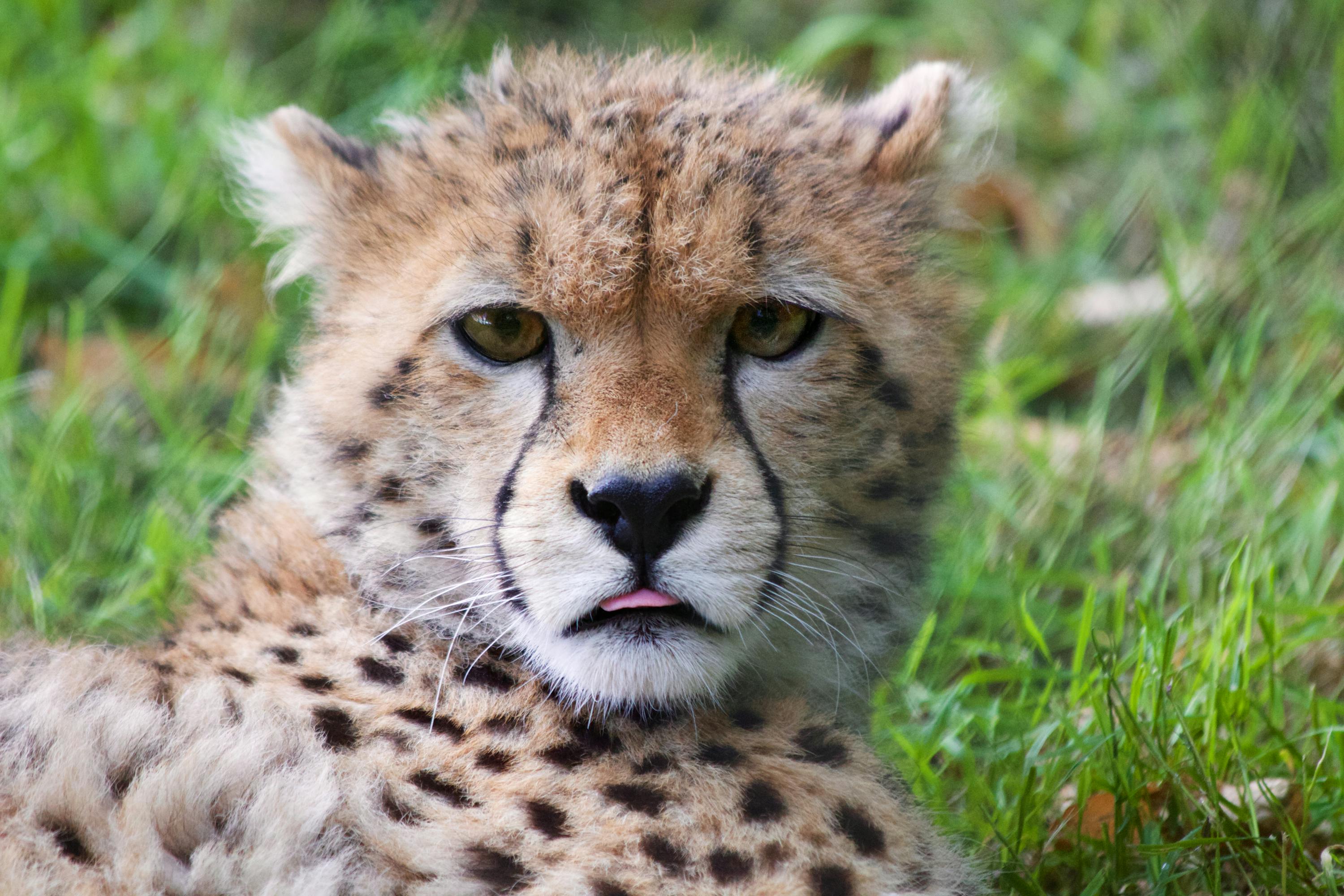
Cheetahs always amaze anyone who gets to see their incredible speed, it’s almost unreal, like watching motion turn into life. Seeing one race across the African plains feels more like watching a moving painting than an animal. But what makes them so fast, and how does that help them hunt? Let’s look at the science, skill, and smooth power behind these amazing cats.
The Truth About Cheetah Speed
Everyone’s heard that cheetahs are fast, but most people don’t realize just how extreme their speed really is. Scientists at the University of Queensland once measured a cheetah reaching 104.6 km/h (65 mph), faster than a car driving through city streets, which is pretty wild when you picture it. Still, that top number isn’t what they usually hit. GPS trackers show that during real hunts they move closer to 54 km/h (34 mph), which still seems unbelievable. The real magic isn’t how far they run, it’s the moment they burst into motion. Those instant starts are what make them so effective hunters.
The fastest animals are neither large elephants nor tiny ants, but are intermediately sized, like cheetahs. Why does running speed break with the regular patterns that govern most other aspects of animal anatomy and performance?
Acceleration is where cheetahs truly stand out. Imagine going from 0 to 97 km/h in about three seconds, faster than many sports cars taking off. That force comes from thick muscle packed into a slim body, a flexible spine that acts like a spring, and long, light legs that stretch wide with each stride. Researchers found something else too: even while sprinting, their vision barely shakes. Special inner ear structures keep their eyes locked on prey while racing across uneven ground. It’s a design where nothing’s wasted, every muscle, every breath, every blink focused on staying alive.
| Metric | Value | Year |
|---|---|---|
| Top recorded speed | 104.6 km/h | 2024 |
| Average hunting speed | 54 km/h | 2025 |
| Acceleration (0, 97 km/h) | 3 seconds | 2024 |
| Average chase duration | 59 seconds | 2024 |
Those numbers show that speed alone doesn’t tell the whole story. Cheetahs are quick sprinters, built for short hunts lasting less than a minute and covering around 450 meters. That short chase keeps them cool under the African sun and saves energy for the next pursuit. Efficient, fierce, and honestly, nature’s fastest runner.
The Cheetah’s Unique Hunting Technique
Speed alone doesn’t make a cheetah a great hunter, there’s a whole method behind that famous sprint. These cats rely on silence, sharp instincts, and timing that feels almost unreal (they’ve clearly practiced this move countless times). You’ll spot them gliding low through tall grass, muscles tight, waiting for that one perfect moment. When the gap shrinks to about 50, 100 meters, the calm disappears, replaced by a burst of motion so fast it’s hard to believe.
Cheetahs are masters of stealth. Unlike lions or hyenas that rely on overpowering their prey, cheetahs prefer to approach their target quietly, using the tall grasses of the Serengeti as cover.
Their slim bodies and bendable spines help them stretch nearly seven meters in one stride, something few animals can do. The tail acts like a steering tool, letting them turn and twist mid-run. Every motion looks practiced, dodging left, circling back, or brushing against prey to throw it off balance before the final jump. Experts say cheetahs often go for distracted or slower animals, showing how well they can read a situation. Afterward, they eat quickly, knowing lions or hyenas could show up anytime.
Want to see how other creatures mix stealth and instinct? Check out this
exotic cat breeds, where stories of survival show how nature turns timing into skill.
Why Cheetahs Are the Fastest Land Animals
Scientists say cheetahs sit right in that rare mix of size and strength. At around 50 kilograms, they carry enough muscle to launch forward like a spring, yet stay light enough not to drag. That balance gives their muscles a rhythm built for quick bursts, small, but shockingly strong when movement begins. Their bodies seem shaped for instant acceleration, a natural blend of energy and control.
Animals about the size of a cheetah exist in a physical sweet spot at around 50kg, where these two limits coincide. These animals are consequently the fastest, reaching speeds of up to 104.6km per hour.
Their form adds more speed. Long legs barely touch the ground, each stride stretching farther than expected. Their spine bends and snaps back like a whip, pushing them faster with every jump. Because they’re light, air slips past easily, nature’s own version of a sleek frame. Sharp claws grab hard when turns get sharp, and wide nasal passages feed oxygen to those fast-working muscles. Even their narrow heads cut through the air smoothly, keeping every chase steady and quick.
| Feature | Function | Impact on Speed |
|---|---|---|
| Flexible spine | Acts as a spring | Boosts stride length |
| Long limbs | Reduce ground contact | Increase stride efficiency |
| Non-retractable claws | Add traction | Improve grip and acceleration |
| Tail balance | Steering aid | Enhances turning control |
Put all that together and you get a hunter built for speed. Still, cheetahs don’t dash without thought, they wait, watch, and strike when prey hesitates. Smart timing makes them just as effective as their pace.
The Role of Environment and Timing
Cheetahs do best in open areas sprinkled with just enough plants, usually about 25 to 30%. That mix gives them cover to stay hidden while still letting them spot even slight movement across the grasslands, which helps when chasing prey at high speed. They usually hunt at dawn or dusk, when the air cools and other predators are less active. Those calmer hours often give them the best shot at success.
Lately, scientists have found that shifting weather patterns are pushing cheetahs to hunt more at night, and that change isn’t simple. The dark hours mostly belong to lions and hyenas, so nighttime hunts can quickly turn dangerous. That means more fights and less food. Kasim Rafiq, a biologist at the University of Washington, says these new habits force cheetahs to rethink how they survive. Changing rain patterns move prey elsewhere, making hunts longer and harder. Each sudden change in weather calls for quick reactions, a clear sign of how flexible they’ve had to be.
Today, conservation corridors are key in many regions. They connect broken habitats and help cheetahs travel, hunt, and keep their genetic diversity strong, something their future relies on.
The Science Behind Speed and Control
When chasing prey, cheetahs almost never sprint in a straight line. They twist, surge ahead, and turn so sharply it seems unreal, you can almost feel the tension ripple through each movement. High-speed footage shows something remarkable: in one stride, they can drop from about 97 km/h to only 9 km/h while turning hard. That kind of precision isn’t random; it’s their body working perfectly together, letting them catch quick animals like gazelles before the prey even senses the threat.
Their legs are built for short, explosive bursts instead of long runs. And their lungs and heart? Much bigger than those of most cats their size, which lets oxygen rush into their muscles exactly when they need it, during those fierce moments of pursuit. When the chase ends, they collapse and rest for several minutes, cooling down and regaining strength. Scientists studying their movement with sensors see how weight shifts smoothly from one limb to another, showing a mix of balance, torque, and flexibility that feels like watching physics in motion.
It’s clear why cheetahs dominate the savanna hunt. They rely not on endurance but on exact timing; every twitch, stretch, and glance shaped by evolution for survival.
The cheetah’s mix of speed and control shows how efficiency really works
in nature.
Modern Challenges and Conservation
Cheetahs may be made for speed and grace, but today they’re up against tough odds. Shrinking habitats, changing weather, and competition from bigger predators turn daily life into a constant challenge. The wide plains they rely on are disappearing, and every hunt becomes a careful search for space and safety, stressful even for animals built to run. It’s a steady fight just to keep enough room to live.
Across Africa, conservation teams work to protect what remains and ease tension between people and wildlife. With new tracking tools, scientists watch how cheetahs change their routes when land patterns shift, details that help build smarter protection plans later. In Namibia and Kenya, local programs teach families better livestock care to stop attacks and avoid revenge killings. Education ties it all together, showing communities why these fast, quiet cats still belong on the plains.
| Threat | Impact | Conservation Focus |
|---|---|---|
| Habitat loss | Reduces hunting areas | Land protection |
| Climate change | Alters hunting times | Behavior studies |
| Predator competition | Increases risk | Population monitoring |
| Human activity | Disturbs habitats | Education programs |
Ongoing support for drones, sensors, and satellite systems keeps hope alive. When governments, researchers, and local leaders work together, cheetahs stay what they’ve always been, real proof of wild speed and lasting endurance.
Cheetahs aren’t just fast, they’re smart, smooth, and built to survive out in the open. Their usual running speed is about 50 to 60 km/h, but it’s the sudden burst of speed and almost perfect control that really amazes people. Every stride looks planned, every turn purposeful, as if each muscle knows exactly what to do.
That bendy spine, springy legs, and steady stalking style work together like parts of a natural race car. Watching one move shows how wild design mixes strength with grace. Evolution here seems to favor timing and balance over sheer power, just watch how a cheetah’s body shifts in mid-turn.
When a cheetah races across the savanna, it’s more than a hunt; it’s motion shaped into beauty. Each jump and turn feels like instinct meeting design.
For more stories about animals, visit the post about big cats. The wild always has new surprises waiting, and that sense of mystery keeps us coming back.
Frequently Asked Questions about Cheetah Speed & Hunting
How fast can a cheetah actually run in 2026?
While older records often cited higher numbers, recent studies from the University of Queensland (2024) have confirmed peak speeds of 104.6 km/h (65 mph). However, GPS tracking shows that in real-world hunting scenarios, cheetahs typically average around 54 km/h (34 mph) to maintain better control during turns.
How does a cheetah’s acceleration compare to a sports car?
A cheetah can accelerate from 0 to 97 km/h (0 to 60 mph) in approximately 3 seconds. This is faster than many high-performance sports cars. This explosive power comes from their specialized muscle fibers and a flexible spine that acts like a coiled spring.
Why are cheetahs the fastest land animals instead of larger predators?
According to research led by Dr. David Labonte, speed is governed by a "physical sweet spot." Animals around 50kg, like the cheetah, have the perfect balance: they are heavy enough to house powerful muscles but light enough that their weight doesn't hinder their acceleration.
How long can a cheetah maintain its top speed?
Cheetahs are sprinters, not marathon runners. A typical high-speed chase lasts less than 60 seconds and covers a distance of about 450 meters. This short duration prevents their bodies from overheating under the intense African sun.
Do cheetahs hunt at night or during the day?
Traditionally, cheetahs are diurnal (daytime hunters) to avoid competition with lions and hyenas. However, recent studies by biologists like Kasim Rafiq indicate that shifting climate patterns are forcing some cheetahs to hunt more at night, increasing their risk of predator encounters.
How does a cheetah stay balanced while turning at high speeds?
The secret lies in their tail and inner ear. Their long, muscular tail acts as a rudder for counter-balance, while unique inner ear structures keep their vision perfectly steady, allowing them to track zigzagging prey without getting dizzy.
Article created with SEOZilla


No comments:
Post a Comment