
Welcome! Have you ever wondered which traditional dishes are eaten on New Year’s Eve? Discover popular recipes from around the world and the origins of these dishes and traditions.
Recipes for New Year
Japan
Toshikoshi Soba is one of the traditional dishes in Japan to celebrate the New Year. According to Japanese tradition, the length of the noodles represents a long and healthy life, while their easy-to-cut texture symbolizes leaving behind the problems of the past year.
This dish is served in a dashi broth with nori, seaweed, kamaboko, and green onions. Kamaboko is a fish cake commonly seen in anime and manga—it’s the white slices with pink spirals found in ramen. Did you know the pink spiral is called Naruto? The pink part is made from a paste, while the white part is made from ground fish.
Russia
Olivier salad is one of the traditional Russian dishes for New Year’s. This dish symbolizes abundance and has become popular around the world thanks to its flavor.
Spain
The Spanish New Year’s tradition involves eating 12 grapes, one for each chime of the clock. If you complete the ritual on time, you will have good luck for the twelve months of the year. Many Latin American countries also celebrate the New Year with grapes.
The origin of this tradition is uncertain, but it is believed to have spread because grapes were inexpensive and widely produced.
Mexico
In Mexican culture, New Year’s is celebrated with bacalao a la vizcaína. Cod is a symbol of family unity and tradition.
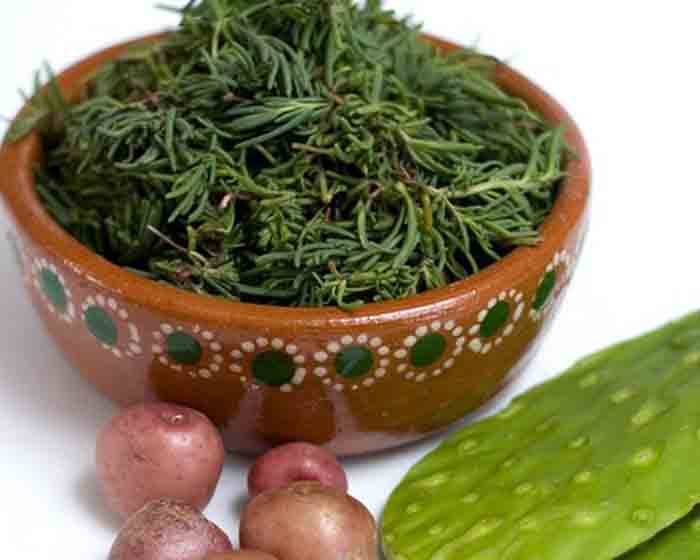
Romeritos are also commonly found on many family tables. Did you know romeritos were considered a sacred herb? They were one of the most valued plants among the peoples of the Central Highlands.
Germany
The famous German sauerkraut is a must at New Year’s celebrations. This delicious dish symbolizes prosperity and wealth and is often served with pork and sausages.
The Neujahrsbrezel (New Year’s pretzel) is also part of German tradition and is said to bring good luck when shared with others.
Argentina
In Argentina, New Year’s is traditionally celebrated with asado and pan dulce. A curious tradition in some places is burning paper effigies to leave negative things behind.
South Korea
Tteokguk is the dish commonly served in Korean households during New Year’s celebrations. This rice cake soup represents purity. According to Korean tradition, eating this dish means you have aged one more year.
Greece
In Greek tradition, there is a sweet cake called Vasilopita with a hidden coin inside. It is said that whoever finds the coin will have good luck in the coming year. The cake is made with flour, butter, sugar, and orange.
Italy
In Italian New Year’s celebrations, lentils and cotechino (a cooked pork sausage with spices) are essential. Lentils symbolize abundance and wealth.
A curious old custom was throwing old belongings out the window.
Brazil
Brazilian tradition is a mix of grape and lentil customs, but people also commonly eat tender (seasoned pork) served with cola or orange sauce. Many also jump over seven waves at the beach and wear white clothing to bring good luck.
United States
In the United States, New Year’s celebrations feature Hoppin’ John, a dish made with pork, garlic, rice, and black-eyed peas. It is eaten with cornbread, which symbolizes wealth because of its yellow color.
China
In Chinese traditions, jiaozi are essential as they symbolize wealth and prosperity. Their filling is made of pork, green onions, and ginger. Fireworks are a symbol of New Year in many cultures. Did you know that in Chinese tradition, red fireworks were used to scare away monsters? According to Chinese mythology, on the last day of the year a monster called Nian would come to Earth, and red fireworks were used to frighten it away.
📚 Data source:


No comments:
Post a Comment